.svg)
How Much Sleep Does My Child Need?
Wed Nov 12 2025
- Sleep Tips
As a parent, ensuring your child gets enough sleep can sometimes feel like an uphill battle. Between busy school days, after-school activities, and endless bursts of energy, bedtime doesn’t always go as planned. Yet, quality sleep is one of the most important parts of a child’s growth and well-being.
From infants to teenagers, every stage of childhood comes with different sleep needs. Understanding how much rest your child should be getting, and how to create a sleep-friendly environment, can make all the difference in their energy levels, mood, and development.

Why Sleep Matters for Children
Sleep is the foundation for a healthy, happy childhood. It’s during rest that children’s bodies grow, minds recharge, and emotions reset. Proper sleep helps support concentration, learning, memory, and even creativity.
Children who consistently get enough sleep tend to perform better in school, show improved behavior, and have stronger immune systems. On the other hand, poor sleep can lead to irritability, lack of focus, and difficulty managing emotions.
While every child is unique, establishing healthy sleep habits early on can set them up for a lifetime of good rest and balanced routines.
![547x420-restful-sleep-05[1].webp](https://cdn.nmg-platform.com/bedzzzexpress/Blogs/2025/How Much Sleep Does My Child Need/547x420-restful-sleep-05[1].webp)
Understanding Sleep Needs by Age
Each stage of a child’s life comes with distinct sleep requirements. These needs gradually shift as they grow, with younger children requiring more total sleep and older kids and teens needing slightly less.
Below is a general guide to help you understand how much sleep your child may need:
Infants (0-12 Months)
During the first year of life, babies need the most sleep, often 14 to 17 hours in a 24-hour period. Their sleep is spread throughout the day and night, and frequent naps are normal. Over time, nighttime sleep stretches longer, and daytime naps become fewer.
Toddlers (1-3 Years)
Toddlers typically need around 11 to 14 hours of sleep each day, including naps. Consistency is key at this stage, bedtime routines help toddlers feel secure and signal that it’s time to wind down.
Preschoolers (3-5 Years)
Preschool-aged children usually need about 10 to 13 hours of sleep daily. Most will still benefit from a short nap, though some begin to outgrow them by age five. Keeping bedtime routines predictable helps make transitions to sleep smoother.
School-Age Children (6-12 Years)
At this stage, children need approximately 9 to 12 hours of sleep each night. Homework, extracurriculars, and screen time can interfere, so it’s important to set clear bedtime expectations and create a calm sleep space.
Teenagers (13-18 Years)
Teens often need about 8 to 10 hours of sleep but frequently get less due to school schedules and social activities. Encouraging them to prioritize rest, especially by limiting late-night screen use, can help them stay alert and focused.
Common Reasons Kids Don’t Get Enough Sleep
Even with the best intentions, many children don’t get as much sleep as they need. Some common challenges include:
-
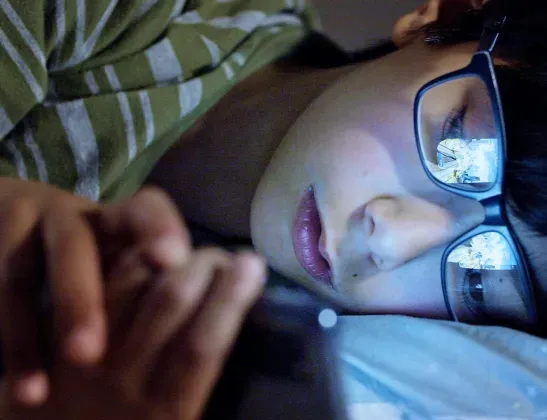
Screen Time Before Bed: Exposure to blue light from phones, tablets, or TVs can make it harder to fall asleep.
-
Irregular Bedtimes: Inconsistent schedules can confuse a child’s internal clock, making it difficult to fall asleep at the same time each night.
-
Stress and Overstimulation: Busy days filled with activities and stimulation can make it difficult for kids to relax at bedtime.
-
Uncomfortable Sleep Environments: An old mattress or distracting bedroom setup can interfere with rest and comfort.
Recognizing these barriers can help you adjust your child’s nightly routine and environment for more restful sleep.

Creating a Restful Sleep Environment
One of the best ways to support your child’s sleep is by creating a calm, cozy bedroom environment. A few small changes can go a long way in helping them settle down faster and sleep more soundly.
Choose the Right Mattress
The right mattress plays a key role in sleep quality. It should offer both comfort and support suitable for your child’s age and body type. A firm mattress may be better for younger children, while older kids and teens may prefer something more contouring or plush.
Explore a variety of mattresses at Bedzzz Express to find the perfect fit for your child’s needs and preferences.
Adjust with Bed Frames and Foundations
As your child grows, their sleep needs and preferences may change. Adjustable bed frames can make it easier for teens to find the most comfortable position for reading, relaxing, or sleeping.
Keep the Room Dark and Cool
A slightly cool room with minimal light helps signal to the body that it’s time for sleep. Blackout curtains and soft, warm bedding can enhance comfort and minimize distractions.
Add Soothing Bedroom Accessories
Create a sleep-friendly atmosphere with calming accessories like night-lights, cozy throws, or sound machines. Bedzzz Express offers a range of bedroom accessories to make your child’s room feel like a peaceful retreat.

Establishing Healthy Sleep Habits
Sleep isn’t just about having the right bed, it’s about setting routines that make bedtime relaxing and predictable. Here are a few helpful habits to encourage better sleep in kids:
-
Set a Consistent Bedtime: Keeping bedtime and wake-up times steady, even on weekends, helps regulate your child’s sleep cycle.
-
Create a Wind-Down Routine: Reading a story, listening to soft music, or practicing gentle stretches can signal it’s time to relax.
-
Limit Evening Screen Use: Encourage screen-free time at least an hour before bed to prevent blue light from delaying sleepiness.
-
Keep Snacks Light: Avoid heavy meals or sugary snacks close to bedtime. A light snack, like a banana or a glass of milk, can be soothing.
-
Encourage Daily Movement: Regular physical activity during the day helps children fall asleep faster and sleep more deeply at night.
When to Revisit Sleep Routines
If your child consistently struggles to fall asleep, wakes frequently, or seems tired during the day, it may be time to revisit their bedtime habits and environment. Small adjustments, like limiting screen time or investing in a more supportive mattress, can make a significant difference.
Remember, sleep habits are learned over time. By modeling good sleep hygiene yourself and maintaining a calm bedtime atmosphere, you’re teaching your child lifelong skills for healthy rest.

Optimize Your Child’s Sleep Quality with Bedzzz Express
Give your child the comfort and support they need for great sleep every night. Explore mattresses, adjustable bed frames, and bedroom accessories, and more from top brands at Bedzzz Express to create the perfect sleep setup for every stage of childhood.
Explore Bedzzz Express for products that’ll enhance your child’s sleep environment, wake up refreshed, and foster long-term health benefits like mattress toppers, mattress protectors, sheets and linens, pillows, and more.
Visit one of our showrooms near you in Alabama or shop online and find the sleep setup solution your child needs with personalized service and insights.
Related Readings from our blog:
FAQs: How Much Sleep Does My Child Need?
How do I know if my child is getting enough sleep?
If your child wakes up easily in the morning, stays alert throughout the day, and doesn’t frequently nap outside their usual routine, they’re likely getting sufficient sleep.
Should children nap during the day?
Younger children benefit from naps, but by early school age, most no longer need them. Pay attention to your child’s mood and energy to determine what works best.
What’s the best bedtime for kids?
There’s no universal bedtime, it depends on your child’s age and morning wake-up time. The goal is to ensure they get the total hours of sleep appropriate for their age group.
Can room temperature affect my child’s sleep?
Yes. A cool, comfortable room, typically around 65-70°F, can help promote deeper, more restful sleep.
How can I make bedtime easier?
Establish a consistent routine, reduce screen time before bed, and create a calming environment that helps your child relax and feel ready for sleep.
Related Articles