.svg)
Natural Sleep Aids for Kids: What Works and What to Avoid
Tue Jul 29 2025
- Sleep Tips
When your child struggles to fall asleep or stay asleep, the entire household can feel the effects. While it’s normal for kids to have occasional sleep challenges, chronic sleep issues can impact their mood, focus, and growth. Before turning to medication, many parents consider natural sleep aids. But which ones are safe, and which should be avoided?
In this guide, we’ll walk you through natural sleep support strategies tailored to various causes, including nighttime fears and overstimulation, as well as what to avoid.
If Your Child Is Anxious About Sleeping Alone
From fear of the dark to separation anxiety, bedtime battles are more common than you’d think. And while it might be tempting to give in, experts like Mary Bowerman, writing for USA Today, say that helping kids learn to sleep independently is key to their development.
Here are a few creative, parent-approved techniques to help ease your child’s sleep anxiety and build better bedtime habits:
-
100 Walks: Each time your child leaves their bed, calmly walk them back without getting frustrated. It may take several trips each night at first, but consistency helps reinforce boundaries.
-
Phase Out: Start by sleeping nearby, on a separate surface, to offer reassurance. Gradually transition to simply staying until they fall asleep. Over time, this helps kids build independence without losing their sense of safety.
-
Bedtime Pass: Give your child one pass each night for a bathroom break, a final hug, or a check for monsters. This empowers them while setting healthy limits.
-
Monster Spray: Sometimes, a little imagination goes a long way. Fill a spray bottle with water or a light scent and help your child “spray” under the bed and in the closet. The idea is to empower them with a sense of control over their nighttime fears.
Other Common Challenges
Several factors can interfere with a child’s ability to get restful sleep:
-
Irregular bedtime routines
-
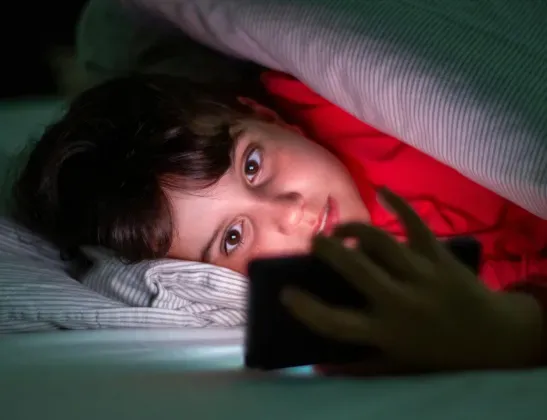
Screen time before bed
-
Anxiety or overstimulation
-
Poor sleep environment (too noisy, too warm, too much light)
-
Nutritional imbalances or underlying medical issues
Understanding the root cause of your child’s sleep trouble is the first step in choosing the right solution.

Natural Sleep Aids That May Help
A Consistent Bedtime Routine
A calming, predictable routine before bed can help signal to your child’s body that it’s time to wind down. Include quiet activities like reading, warm baths, or gentle music.
Pre-Bedtime Bath
A warm bath before bed can help your child’s body and mind unwind after a long day. The soothing warmth can relax muscles and create a calm transition to sleep. Keep the atmosphere quiet and comforting to help signal that bedtime is near.
Chamomile Tea
Chamomile is a gentle, calming herb often used for its soothing effects. A small cup of lukewarm chamomile tea (caffeine-free) before bed may help some children feel sleepy. Make sure to introduce it slowly and check for allergies.
Weighted Blankets
Weighted blankets can provide a sense of security and calm through gentle pressure. These are especially helpful for kids with sensory processing challenges or anxiety. Choose one that’s appropriately sized and weighted for your child’s body.
Lavender Essential Oil
Lavender is known for its calming scent. A drop or two of diluted lavender oil in a diffuser or on a pillowcase may help create a more relaxing sleep environment. Avoid applying oils directly to your child’s skin without proper dilution and guidance.
What to Avoid
Melatonin (Without Doctor Supervision)
While melatonin is widely marketed as a sleep aid, it’s a hormone, and not always necessary for kids. Overuse or improper dosing can disrupt your child’s natural sleep cycle. Always consult a healthcare provider before trying melatonin.
Over-the-Counter Sleep Medications
Medications designed for adults or older teens, even if labeled “natural,” are not safe for young children without medical guidance. Many contain antihistamines or other ingredients that can cause drowsiness, but may have side effects.
Sugary Snacks or Drinks Before Bed
Some families try warm milk with honey or bedtime treats to soothe children. While warm milk may be calming, sugar close to bedtime can spike energy and disrupt sleep.
Undiluted Essential Oils
Essential oils should always be diluted when used around children. Undiluted oils, especially applied to the skin, can cause irritation or allergic reactions.
Tips to Support Better Sleep Naturally
-
Stick to a consistent bedtime and wake-up schedule, even on weekends
-
Limit screen time 1–2 hours before bed
-
Create a dark, cool, and quiet bedroom
-
Encourage plenty of outdoor play and physical activity during the day
-
Avoid heavy meals or stimulating activities too close to bedtime
Talk to Your Pediatrician
Before starting any supplement or sleep aid, it’s best to talk with your child’s pediatrician. They can help rule out underlying issues like sleep apnea, anxiety, or nutritional deficiencies that might be interfering with your child’s sleep.
We’re Ready to Support You
Natural sleep aids can be helpful, but they work best when paired with healthy sleep habits. Whether it’s a calming bedtime routine or a soothing scent, small changes can make a big difference in how your child sleeps.
To all the parents out there, we wish you the best of luck (and lots of sleep) in the process of helping your kids get comfortable in their beds. And if you’re looking for the perfect setup to support their sleep journey, check out our selection of mattresses. Visit a store near you in Alabama or Georgia, or browse our selection of pillows, bedding, mattress toppers, or mattress protectors online today.
A well-rested child is a happier, healthier child, and that means better sleep for everyone in the family.
Related readings from our blog:
FAQ: Questions About Children’s Sleep Habits
Can food sensitivities affect my child's sleep?
Yes. Certain food intolerances can cause discomfort or restlessness. If your child often wakes up at night, consider keeping a food and sleep diary.
What are some calming activities before bed besides reading?
Drawing, puzzles, quiet storytelling, listening to soft music, or gentle stretching can all help children wind down before bedtime.
Can naps during the day interfere with nighttime sleep?
Yes, especially if naps are too long or too late in the day. Aim for earlier, shorter naps to avoid disrupting bedtime.
How much sleep does my child actually need?
It depends on their age. Preschoolers typically need 10-13 hours, while school-aged kids need 9-12 hours of sleep per night.
Related Articles