.svg)
Blue Light and Sleep: What You Need to Know
Thu Nov 06 2025
- Sleep Tips
In our modern, technology-driven world, exposure to blue light has become almost unavoidable. From smartphones, tablets, and laptops to LED lighting and TVs, blue light surrounds us every day. While exposure to blue light during daylight hours can help improve alertness and mood, excessive blue light at night can disrupt sleep patterns, making it harder to fall asleep and stay rested. Understanding how blue light affects your body and what steps you can take to minimize its impact is essential for better sleep.
.webp)
What Is Blue Light?
Blue light is a type of high-energy visible (HEV) light that is naturally emitted by the sun and artificially produced by digital screens and LED lights. It has a shorter wavelength and higher energy than other visible light, which makes it particularly effective at influencing the body’s natural rhythms.
Your body’s sleep-wake cycle, known as the circadian rhythm, is strongly influenced by light exposure. When blue light reaches the eyes, it signals the brain that it’s daytime, which can suppress the production of melatonin, the hormone responsible for making you feel sleepy. This is why exposure to blue light in the evening can make it more difficult to fall asleep and can reduce overall sleep quality.
How Blue Light Affects Sleep
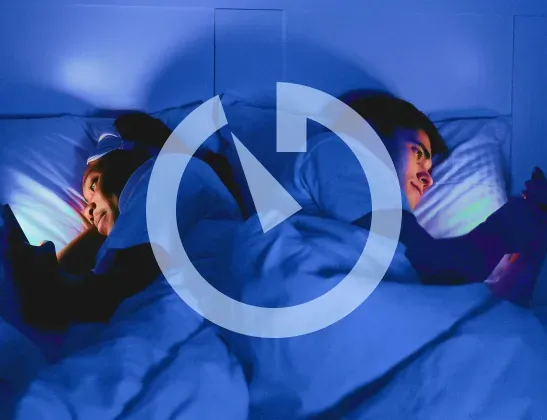
Even small amounts of blue light in the evening can interfere with your natural sleep patterns. The primary ways it impacts sleep include:
-
Delayed Sleep Onset: Blue light can make it harder for your brain to recognize that it’s time to sleep, causing you to fall asleep later than intended.
-
Reduced Sleep Quality: Disrupted melatonin production can prevent your body from entering the deep, restorative stages of sleep.
-
Daytime Fatigue: Poor sleep caused by blue light exposure can leave you feeling tired, irritable, and less focused during the day.
Over time, chronic exposure to blue light at night may contribute to long-term sleep problems and overall fatigue, making it even more important to manage evening screen use and bedroom lighting.

Practical Ways to Reduce Blue Light Exposure
Minimizing blue light exposure doesn’t mean completely avoiding screens or lights, but rather using smart strategies to protect your sleep. Here are some effective approaches:
Limit Screen Time Before Bed
Try to avoid using digital devices like phones, tablets, and computers at least 60 minutes before bedtime. Instead, focus on relaxing activities that prepare your mind and body for sleep, such as reading a book, journaling, or practicing gentle stretching.
Use Blue Light Filters or Night Modes
Many devices now come equipped with blue light filters or “night mode” settings. These adjust the display to warmer colors in the evening, reducing the amount of blue light emitted. Activating these settings can help your body maintain healthy melatonin levels.
Incorporate Blue Light Blocking Glasses
Specialized blue light-blocking glasses are designed to filter out high-energy blue light. Wearing these glasses in the evening while using screens can limit melatonin suppression and help you feel sleepier at your usual bedtime.
Adjust Bedroom Lighting
Switching from bright, cool-toned lights to dim, warm-colored lighting in the evening can reduce blue light exposure. Consider using lamps with soft amber bulbs or installing dimmers to create a relaxing environment that signals to your body it’s time for rest.
Creating a Sleep-Friendly Bedroom
Reducing blue light is only one part of promoting restful sleep. Your bedroom environment plays a major role in how quickly you fall asleep and how well you stay asleep. Consider the following adjustments:
-
Optimize Your Mattress: A supportive, comfortable mattress can enhance the quality of your sleep. Bedzzz Express offers a wide selection of mattresses designed to provide optimal comfort and support.
-
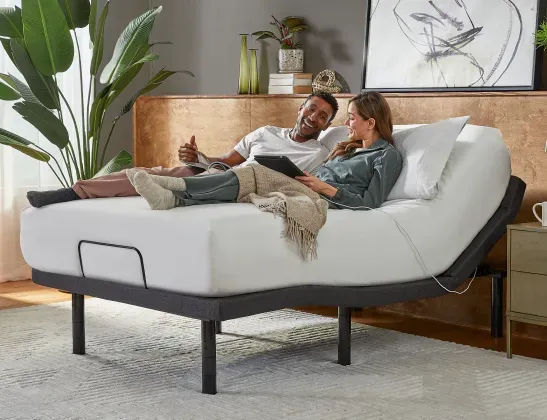
Consider Adjustable Bed Frames: Adjustable beds allow you to find the perfect sleep position, which can reduce discomfort and improve relaxation. Explore adjustable bed options at Bedzzz Express.
-
Enhance Your Bedroom Accessories: Items like blackout curtains, sleep masks, and ambient lighting can further limit blue light and improve your sleep environment. Check out bedroom accessories to create a calming, sleep-friendly space.
By combining proper blue light management with a bedroom environment tailored to comfort, you can improve sleep onset, quality, and overall well-being.
Tips for Healthy Screen Use at Night
Even with a sleep-friendly bedroom, managing screen habits is crucial for avoiding blue light disruptions. Here are practical tips:
-
Set a Screen Curfew: Establish a specific time to stop using electronics each night to help your body wind down.
-
Adjust Device Brightness: Lowering screen brightness can reduce the intensity of blue light exposure.
-
Position Screens Carefully: Avoid placing devices directly in front of your face or above eye level in bed, as this can increase exposure.
-
Use Warm Nighttime Colors: Many apps allow you to adjust screen colors to warmer tones, further reducing blue light emission.
These simple habits, paired with a supportive mattress and a sleep-optimized bedroom, can make a significant difference in how quickly you fall asleep and how rested you feel in the morning.
Shop Healthy Sleep Solutions and More at Bedzzz Express
Protect your sleep from the effects of blue light and create a bedroom designed for rest. Explore Bedzzz Express for products that’ll enhance your sleep environment and wake up feeling refreshed every day, including mattress toppers, mattress protectors, sheets and linens, pillows, and more.
Visit one of our mattress showrooms near you in Alabama or shop online to start your journey toward deeper, more restorative sleep today.
Related Readings from our blog:
FAQs: Blue Light and Sleep: What You Need to Know
What is blue light, and why does it affect sleep?
Blue light is a type of high-energy visible light from screens and LED lighting. It can disrupt melatonin production, making it harder to fall asleep and affecting sleep quality.
How long should I avoid screens before bed?
It’s ideal to stop using screens at least 60 minutes before bedtime. If that isn’t possible, use blue light filters or night modes to reduce exposure.
Can blue light blocking glasses really help?
Yes, these glasses filter out blue light and can reduce melatonin suppression, helping you feel sleepier at your regular bedtime.
What other steps can improve sleep besides managing blue light?
Creating a comfortable, supportive bedroom environment with quality mattresses, pillows, adjustable bed frames, and calming accessories can greatly enhance sleep quality.
Do all types of lighting affect sleep the same way?
No, cool white and blue-toned lights have the greatest impact on melatonin production. Warm, dim lighting is much less disruptive to sleep.
Related Articles