.svg)
How to Tell If Your Mattress Is Affecting Your Sleep Quality
Fri Aug 07 2026
- Mattress Guides
- Sleep Tips
Your mattress should help you wake up feeling refreshed, not leave you tossing and turning throughout the night. If you're finding it harder to get comfortable, waking up more frequently, or noticing your bed doesn't feel as supportive as it once did, your mattress could be part of the problem.
While there are many factors that influence how well you sleep, an aging or worn-out mattress can gradually lose the comfort and support it was designed to provide. Over time, normal wear may lead to sagging, uneven support, or reduced pressure relief that affects how comfortable your bed feels night after night.
If you've been wondering, "Is my mattress bad?" or searching for the signs you need a new mattress, this guide will help you identify common indicators that your mattress may no longer be performing its best. We'll also explain what causes mattresses to wear out, what to look for during your evaluation, and when it may be time to start shopping for a replacement.
Key Takeaways: How to Tell if Your Mattress is Affecting Sleep Quality
-
A mattress that no longer provides consistent comfort or support may contribute to restless nights and interrupted sleep.
-
Common signs you need a new mattress include sagging, body impressions, uneven support, increased motion transfer, and visible wear.
-
If you're asking "Is my mattress bad?", evaluating its age, condition, and overall comfort can help determine whether it's time for an upgrade.
-
Rotating your mattress, using a supportive foundation, and protecting it from spills and stains can help maximize its lifespan.
-
If your mattress is worn out, replacing it with one that fits your sleep style can improve overall comfort and help you get more restful sleep.

Why Your Mattress Plays an Important Role in Sleep Quality
Your mattress does more than provide a place to sleep, it supports your body for roughly one-third of your life. A quality mattress helps distribute weight evenly, cushions pressure points, and keeps your body comfortably supported throughout the night.
As mattresses age, however, their materials naturally begin to change. Foam may soften, coils can lose responsiveness, and comfort layers gradually compress through years of regular use. Even if these changes happen slowly, they can affect how comfortable your mattress feels and how well it supports your preferred sleeping position.
While a mattress isn't the only factor that influences sleep quality, it's one of the most important parts of your overall sleep environment. Your pillow, bedding, room temperature, and daily habits also contribute, but an unsupportive mattress can make it more difficult to get comfortable and stay asleep.
Signs You Need a New Mattress
Many people continue sleeping on the same mattress long after it has stopped providing the support and comfort it once did. Because wear occurs gradually, the changes can be easy to overlook until discomfort becomes more noticeable.
Here are some of the most common signs your mattress may be nearing the end of its useful life.
1. Your Mattress Is Sagging
One of the clearest indicators of mattress wear is visible sagging. If portions of your mattress appear lower than others or you notice yourself rolling toward the center, the internal support system may no longer be performing as intended.
Sagging can develop after years of regular use as foam compresses or support coils begin to lose their resilience. Even slight depressions may affect how evenly your weight is distributed across the mattress.
If your mattress has developed noticeable dips that don't recover after getting out of bed, it may be time to begin considering a replacement.
2. You're Seeing Permanent Body Impressions
It's normal for a mattress to soften slightly during its break-in period. However, deep or permanent body impressions are different.
Body impressions occur when comfort materials remain compressed instead of returning to their original shape after use. This can create uneven sleeping surfaces that reduce consistent support across the mattress.
If you notice visible indentations where you typically sleep, especially when no one is lying on the mattress, it may indicate that the comfort layers have experienced significant wear.
3. Your Mattress Doesn't Feel as Comfortable as It Used To
Sometimes the biggest clue isn't something you can see, it's something you can feel.
Perhaps your mattress once felt supportive but now seems too soft, too firm, or simply less comfortable overall. Materials naturally change over time, and even high-quality mattresses gradually lose some of their original feel after years of nightly use.
If you frequently find yourself adjusting positions or struggling to get comfortable before falling asleep, your mattress may no longer match your comfort needs.
4. You Wake Up Feeling Less Rested
If you regularly wake up feeling like you didn't sleep well despite getting enough hours in bed, it's worth evaluating your sleep environment, including your mattress.
An uneven or worn sleeping surface may contribute to more tossing and turning throughout the night as your body searches for a comfortable position. While many factors can influence sleep quality, your mattress is one of the easiest places to begin your evaluation.
If you've ruled out other obvious factors, it may be time to take a closer look at your mattress.
5. Your Mattress Makes Noise
Most modern mattresses should remain relatively quiet when changing positions.
If your mattress squeaks, creaks, or produces noticeable noises whenever you move, the internal support system could be showing signs of age. While this doesn't automatically mean you need a replacement, unusual noises, especially when combined with sagging or reduced comfort, can indicate that internal components are wearing out.
6. You Sleep Better Somewhere Else
One surprisingly common sign of mattress wear is noticing that you consistently sleep better in other beds.
If you wake up feeling more comfortable at a hotel, guest room, or even while traveling, your mattress may deserve a closer inspection. While many factors can influence sleep quality, consistently feeling more rested on another mattress could indicate your own bed is no longer providing the level of comfort and support you need.
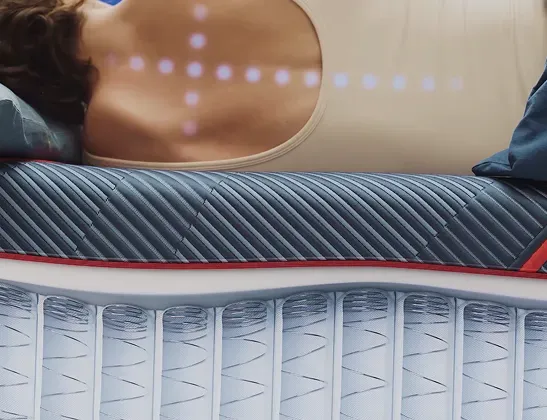
Is My Mattress Bad? Questions to Ask Yourself
If you're still unsure whether your mattress is affecting your sleep quality, asking yourself a few simple questions can help.
How old is my mattress?
Most mattresses are designed to provide years of dependable performance, but no mattress lasts forever. As materials naturally wear over time, comfort and support may gradually decline. If your mattress is approaching or exceeding its expected lifespan, it's worth evaluating its condition more closely.
Has the comfort changed?
Think back to when your mattress was new. Does it still feel the same, or have you noticed changes in firmness, responsiveness, or overall support?
A mattress that no longer feels consistent from edge to edge may be showing signs of normal wear.
Do I notice visible wear?
Take a close look at your mattress without any bedding.
Look for:
-
Sagging
-
Permanent body impressions
-
Uneven surfaces
-
Damaged edges
-
Torn fabric or stitching
Visible wear doesn't always mean immediate replacement is necessary, but it's an important part of evaluating your mattress's overall condition.
What Causes a Mattress to Wear Out?
Every mattress gradually changes over time, regardless of its price or construction. Daily use naturally places stress on comfort materials and support systems.
Some of the biggest contributors include:
-
Years of nightly use
-
Foam compression
-
Coil fatigue
-
Inadequate foundation support
-
Moisture exposure
-
Lack of regular rotation (when recommended)
-
General wear and tear
Using a supportive foundation, rotating your mattress according to the manufacturer's recommendations, and protecting it with a quality mattress protector can all help maximize its lifespan.
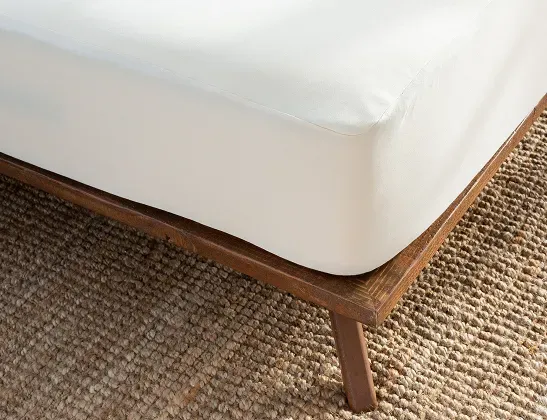
Can You Extend the Life of Your Mattress?
While no mattress lasts forever, proper care can help it perform its best for longer.
Some simple maintenance tips include:
-
Rotate your mattress if recommended by the manufacturer.
-
Use a waterproof mattress protector to guard against spills, stains, and everyday wear.
-
Ensure your mattress is supported by a compatible foundation or adjustable base.
-
Vacuum the mattress surface periodically to remove dust and debris.
-
Follow all manufacturer care instructions to maintain warranty coverage.
These habits won't prevent normal aging, but they can help preserve comfort and support over the life of your mattress.
When Is It Time to Replace Your Mattress?
If your mattress has developed noticeable sagging, permanent body impressions, or simply no longer feels comfortable, replacing it may be the best way to restore your sleep environment. While every mattress ages differently depending on its materials, construction, and how it's used, consistent discomfort and visible wear are often signs that it's no longer performing as intended.
Replacing your mattress isn't just about buying something new, it's about finding a sleep surface that properly supports your body, matches your preferred sleeping position, and complements your overall comfort preferences. Newer mattresses also offer advancements in cooling, pressure relief, motion isolation, and support technologies that weren't available just a few years ago.
If you're unsure whether it's truly time for a replacement, our related guide, How Often Should I Replace My Mattress?, explores average mattress lifespans and additional factors to consider before making your decision.
How to Choose the Right Replacement Mattress
Once you've decided it's time for a new mattress, the next step is selecting one that fits your unique sleep preferences. Rather than focusing only on brand or price, consider how you sleep and what features matter most to you.
Think About Your Sleeping Position
Your preferred sleeping position can influence which mattress feels most comfortable.
-
Side sleepers often enjoy mattresses with additional cushioning around the shoulders and hips.
-
Back sleepers typically benefit from balanced support that helps maintain natural spinal alignment.
-
Stomach sleepers generally prefer firmer support that helps keep the midsection from sinking too deeply.
-
Combination sleepers usually appreciate responsive mattresses that make changing positions easier throughout the night.
Choosing a mattress designed for your sleeping style can make a noticeable difference in long-term comfort.
Consider the Mattress Type
Today's mattresses come in several constructions, each offering a different feel.
Memory foam mattresses conform closely to your body to provide pressure relief and excellent motion isolation, making it popular with couples and side sleepers.
Hybrid mattresses combine responsive coils with premium foam comfort layers, creating a balanced feel that offers both support and cushioning. They remain one of the most popular choices for a wide variety of sleepers.
Traditional innerspring mattresses emphasize responsive support and airflow through their coil systems. Many shoppers appreciate their familiar feel and ease of movement.
Not sure which construction is right for you? Visiting a showroom allows you to compare different mattress types side by side.
Don't Forget Your Sleep Accessories
A new mattress is also a great opportunity to upgrade the rest of your sleep setup.
Consider adding:
-
A quality mattress protector to help preserve your investment.
-
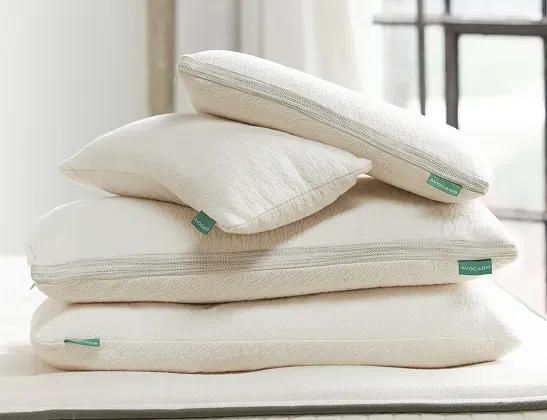
Supportive pillows suited to your sleeping position.
-
Breathable sheets and bedding for improved comfort.
-
An adjustable base for personalized positioning and added relaxation.
Together, these accessories can help you get the most out of your new mattress.
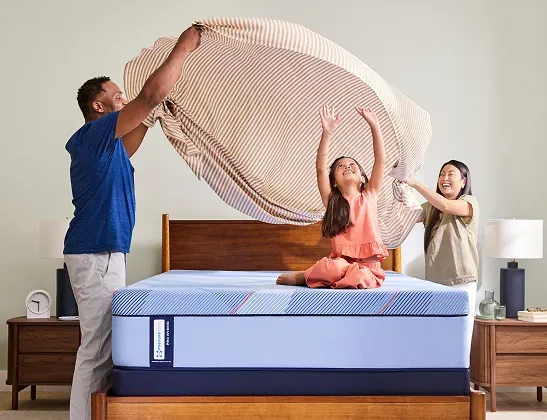
Shop New Mattresses at Bedzzz Express
If you've noticed the signs your mattress is worn out, there's never been a better time to upgrade your sleep. At Bedzzz Express, our knowledgeable sleep experts can help you compare today's leading mattress brands, comfort levels, and constructions to find the best fit for your needs.
Whether you're interested in memory foam, hybrid, innerspring, luxury, or adjustable sleep systems, we offer an extensive selection from trusted brands designed for every sleeping style and budget. You can also complete your bedroom with mattress protectors, pillows, sheets, and adjustable bases that help maximize both comfort and mattress longevity.
Visit one of our Alabama mattress showrooms to try different mattresses in person, or browse our collection online to discover your next great night's sleep.
Related Readings from our blog:
FAQs: How to Tell If Your Mattress Is Affecting Your Sleep Quality
What are the biggest signs you need a new mattress?
Some of the most common signs include visible sagging, permanent body impressions, uneven support, excessive motion transfer, and a noticeable decline in overall comfort. You may also find yourself tossing and turning more frequently or feeling like your mattress no longer supports your preferred sleeping position. While every mattress ages differently, these changes often indicate that the materials have experienced normal wear over time. Evaluating both the age and condition of your mattress can help determine whether it's time for a replacement.
Is my mattress bad if it has body impressions?
Minor settling can occur during the normal break-in period, but deeper, permanent body impressions may indicate that the comfort layers have compressed from years of regular use. If the impressions remain visible after getting out of bed and affect how evenly your body is supported, your mattress may no longer be performing as intended. Uneven sleep surfaces can reduce overall comfort and make it more difficult to find a comfortable sleeping position. If the impressions continue to worsen, it may be time to start shopping for a replacement.
How do I know if my mattress is worn out?
A worn-out mattress often shows both visible and noticeable signs of aging. Look for sagging, lumps, damaged edges, persistent body impressions, or areas that feel significantly softer or firmer than when the mattress was new. You may also notice that you wake up less refreshed or frequently adjust positions during the night because you're struggling to get comfortable. Combining these observations with your mattress's age can provide a clearer picture of its overall condition.
Can a mattress affect sleep quality?
Yes, your mattress is one of the primary components of your overall sleep environment. A mattress that no longer provides consistent comfort or support may contribute to more tossing and turning or make it harder to find a comfortable sleeping position throughout the night. However, sleep quality is influenced by many factors, including pillows, bedding, room temperature, stress, and daily habits. Evaluating your mattress alongside these other factors is often the best approach.
How can I make my mattress last longer?
Using a high-quality mattress protector, rotating your mattress when recommended by the manufacturer, and ensuring it's supported by a compatible foundation or adjustable base can all help maximize its lifespan. Keeping your mattress clean and following the manufacturer's care instructions also helps preserve its comfort and structural integrity. While no mattress lasts forever, proper maintenance can help it continue performing at its best for many years. When signs of significant wear begin to appear, replacing your mattress is usually the best long-term solution.
Related Articles