.svg)
Discover the Best Color Noises for Sleep
Thu Feb 22 2024
- Sleep Tips
In the quest for a good night's sleep, many of us have tried everything from comfy pillows to blackout curtains. But have you ever considered the role of color noises in improving your sleep environment? If you're wondering, "What color noise is best for sleep?" then you came to the right place. Join us as we explore the fascinating world of color noises and discover the best color noises for a restful night.
If you are interested in learning more about other sounds to improve your sleep, make sure to visit our blog Bedzzz Sleep Series: Sounds for Better Sleep.
What are Color Noises?
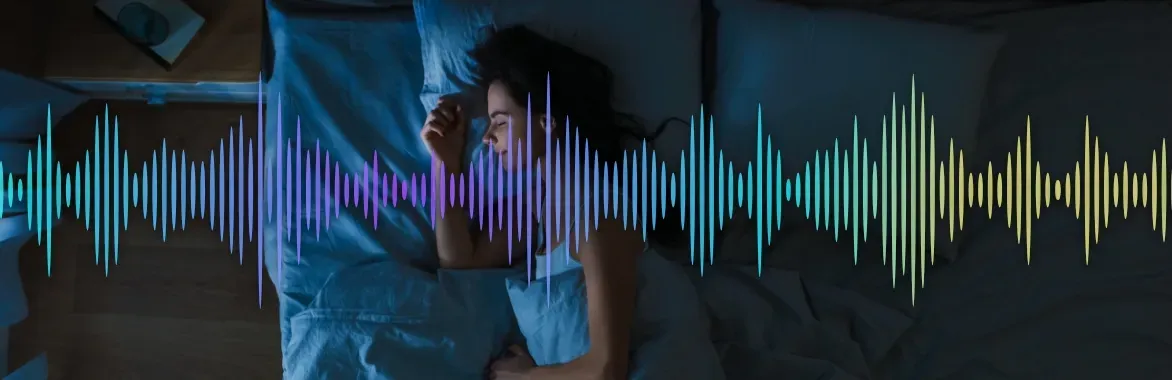
Color noises are ambient sounds that span a range of frequencies. Unlike the typical sounds you encounter daily, such as traffic or conversations, color noises are designed to be soothing and uniform.
Do Color Noises Improve Sleep?
Research suggests that color noises can impact sleep by creating a consistent and calming auditory environment. Understanding this effect requires delving into the science behind color noises and their influence on our brain waves.
Popular Color Noises for Sleep
White Noise
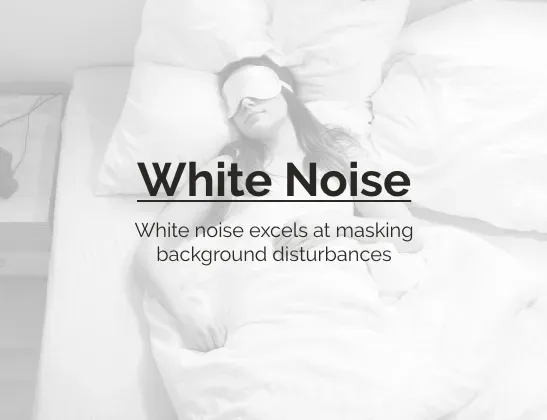
White noise is often considered the gold standard among sleep sounds. It's a consistent sound that spans a wide range of frequencies, effectively drowning out or masking other external noises. This uniform sound has a calming effect on the brain, creating a steady auditory environment conducive to relaxation and sleep.
Benefits
- • Disruption Masking: White noise excels at masking background disturbances, such as traffic or conversations, helping users achieve a more peaceful sleep environment.
- • Consistency: Its consistent sound doesn't have noticeable peaks or troughs, promoting a steady state of auditory relaxation.
Considerations
- • Personal Preferences: While many find white noise effective, individual preferences vary. Some might prefer variations like pink or brown noise for a more tailored experience.
Check our Bedzzz Sleep Series video on Pure Relaxing White Noise
Pink Noise
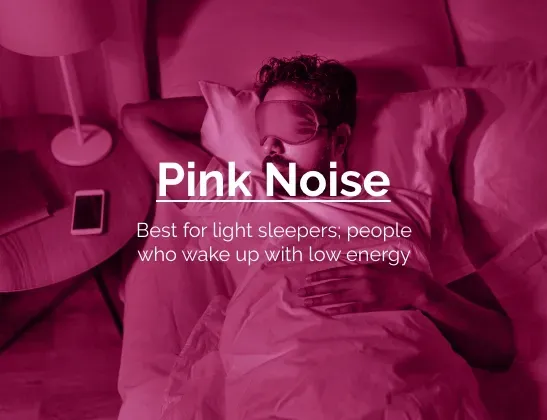
Pink noise is a softer alternative to white noise, characterized by a more balanced distribution of frequencies. It gets its name from the color spectrum, where colors with lower frequencies, like red, are associated with the lower frequencies of pink noise.
Benefits
- • Gentle Soothing: Pink noise offers a more gentle auditory experience, which some individuals find less harsh than white noise, making it suitable for those with sensitivity to sound.
Considerations
- • Relaxation Preferences: Pink noise might be particularly appealing for individuals who seek a calming auditory background without the intensity of white noise.
Check our Bedzzz Sleep Series video on Pink Noise Harmony for Balanced Sleep.
Brown Noise
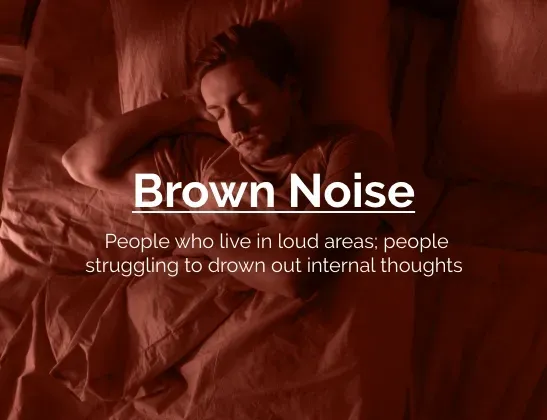
Brown noise, often deeper and more bass-heavy, is prized for its ability to mask low-frequency disturbances. It creates a deep, resonant sound that can induce a sense of calmness and relaxation.
Benefits
- • Low-Frequency Masking: Brown noise is effective in drowning out disturbances that occur at lower frequencies, such as distant thunder or rumbling sounds.
Considerations
- • Intensity: Due to its deeper tones, some individuals might find brown noise more intense than white or pink noise, making personal preferences crucial.
Check our Bedzzz Sleep Series video on Brown Noise for Sleeping.
Gray Noise
Gray noise sits between white and pink noise, providing a unique auditory experience. It strikes a balance between the high and low frequencies, offering a middle ground that can be appealing to certain sleep enthusiasts.
Benefits
- • Versatility: Gray noise combines elements of both white and pink noise, making it a versatile option for individuals who enjoy a variety in their sleep soundscape.
Considerations
- • Personalized Choice: The preference for gray noise can be highly subjective. Experimenting with different color noises helps identify the most soothing option for individual needs.
Tips for Optimal Sleep with Color Noises
Choosing the Right Color Noise for You
Choosing the right color noise is a subjective experience, and what works for one person may not necessarily work for another. It's essential to explore different options to find the perfect match for your sleep preferences.
Volume and Intensity
Finding the right balance in volume and intensity is crucial. Too loud, and it may become disruptive; too soft, and it might not mask external disturbances effectively.
Duration
Using color noises throughout the night or for specific sleep stages can be beneficial. Experimenting with duration allows you to tailor your sleep soundscape to your unique needs.
Using Color Noises Beyond Sleep
Contrary to the belief that all external sounds are disruptive, color noises are designed to create a soothing and consistent auditory background. Beyond the bedroom, color noises find applications in promoting focus and reducing stress in work environments. If you are currently experiencing difficulties focusing at work, try playing some color noises. Additionally, these noises can be incorporated into daily routines for enhanced relaxation.
Improve Your Sleeping Today with Color Noises
Finding the best color noise for sleep is a personal journey. Experiment with different color noises to discover which one resonates with your relaxation needs. Consider factors like tone, pitch, and intensity to tailor your auditory experience to perfection. If you would like to explore more sleeping noises, make sure to visit our Bedzzz Sleep Series on YouTube.
Additionally, if you are currently in the market for a new mattress or to upgrade your bedding accessories, make sure to contact our experts at Bedzzz Express or visit one of our mattress stores conveniently located in Alabama, Georgia, and Tennessee.
Common Questions About Color Noises
Can color noises improve my sleep?
Yes, research suggests that properly tuned color noises can synchronize with brain waves, promoting relaxation and better sleep.
What is the best color noise for sleeping?
The best color noise for sleeping varies from person to person. It largely depends on individual preferences. Some may find the consistent and broad frequencies of white noise effective, while others might prefer the gentler tones of pink noise or the deep resonance of brown noise.
Are there any downsides to using color noises regularly?
Over-reliance and habituation are potential drawbacks. It's crucial to use color noises judiciously and consider periodic changes.
Related Articles